Content
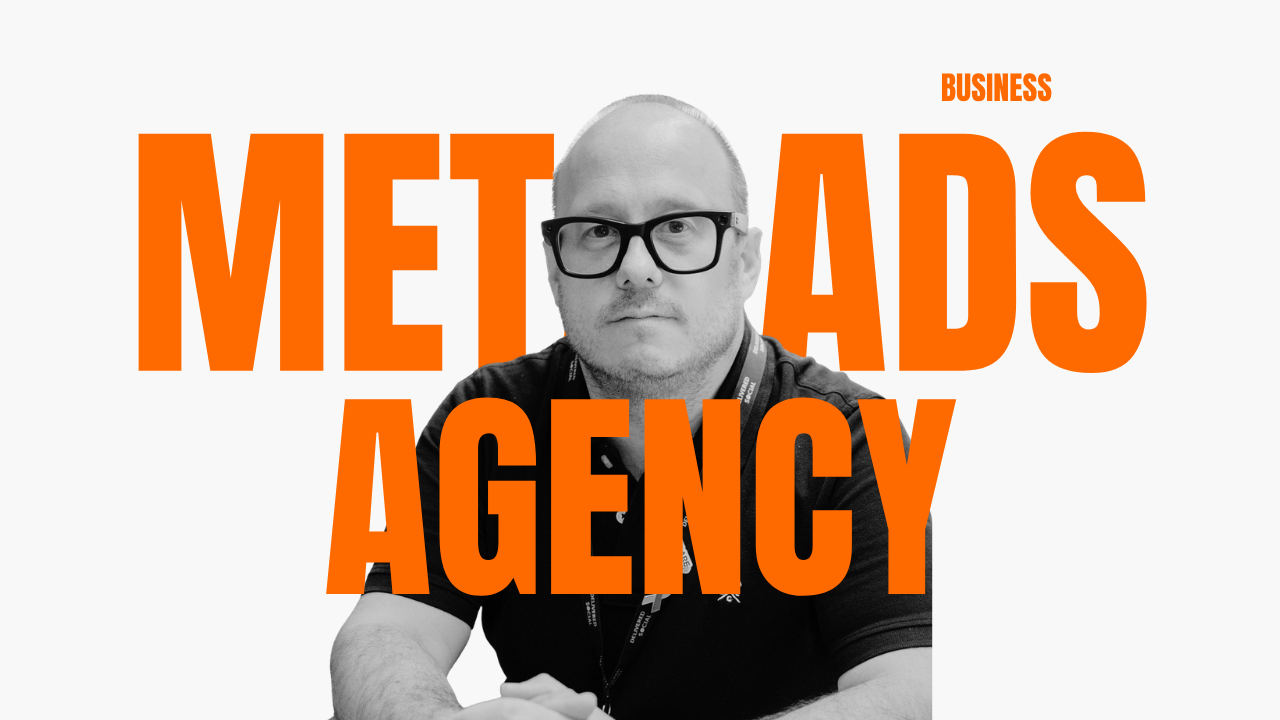
If you’re searching for a meta ads agency that actually delivers, you’ve probably noticed most of them sound identical. Same promises, same case studies with logos you’ve never heard of, same vague pricing structures. It’s exhausting. I’ve spent the better part of two decades in digital marketing, running an award-winning agency and watching the platform evolve from simple boosted posts to the AI-powered behemoth it is today. This isn’t another generic listicle. It’s my personal blueprint for what excellence looks like in Meta advertising, drawn from real trenches, real mistakes, and real wins. I’m going to walk you through how I’d build the best meta ads agency in the UK from scratch, and along the way, I’ll give you the lens to evaluate any agency you’re considering.
Table of Contents
- Why Meta Still Dominates the UK Advertising Landscape
- The Problem With Most Meta Ads Agencies (And How to Spot It)
- My Blueprint for Building the Best Meta Ads Agency in the UK
- What to Look for When Choosing a Meta Ads Agency
- Common Questions About Meta Ads Agencies (Answered Honestly)
- Final Thoughts: Why Your Choice of Agency Matters More Than Ever
Why Meta Still Dominates the UK Advertising Landscape
Let’s get one thing straight: Meta is not a social media company. It’s an advertising infrastructure that happens to own the platforms where 3.35 billion people hang out daily. Facebook alone reaches 3.07 billion monthly active users globally. Instagram adds another 2 billion. Then there’s WhatsApp with over 3 billion, Messenger at 1.3 billion, and Threads quietly building its 400 million-plus monthly active user base. For a UK business owner, these aren’t niche platforms. They’re the digital equivalent of having a shop on Oxford Street, a billboard on the M25, and a stall at every local market, all at once.

What’s changed the game recently is Meta’s AI-powered targeting, particularly the Andromeda system. It’s not just about picking interests and demographics anymore. The machine learning now predicts purchase intent with an accuracy that would have seemed like science fiction five years ago. For UK SMEs, especially in eCommerce and local services, the cost-per-acquisition on Meta frequently undercuts Google Ads for visual products. The auction model means a well-crafted campaign with a modest budget can still punch well above its weight. I’ve seen £1,500 monthly ad spends generate six-figure returns when the strategy and creative are properly aligned. The opportunity is enormous, but it’s also where most agencies fall short.
The Problem With Most Meta Ads Agencies (And How to Spot It)
Here’s the uncomfortable truth: too many agencies treat Meta as a pure awareness channel. They’ll send you reports celebrating reach and impressions while your revenue flatlines. That’s not advertising. That’s expensive wallpaper. The agencies worth their salt treat Meta as a commercial engine, not a vanity metric factory. Revenue and ROAS should be the North Star, always.

A surprising number of agencies still call themselves “Facebook advertising agencies” despite the 2021 rebrand to Meta. That’s not just a branding oversight. It tells you how much their thinking has evolved, which is to say, not at all. The ecosystem now spans five major platforms with different user behaviours, ad formats, and optimisation strategies. If your agency is still talking about Facebook in isolation, they’re working with a 2018 playbook.
Watch for the red flags. Agencies that won’t let you access your own ad account are a hard no. I’ve heard horror stories of businesses held hostage by their own pixel data, unable to leave without starting from scratch. Your customer data, your pixel, your ad account: these are your assets, not theirs. Vague reporting that hides poor performance behind averages and percentages is another tell. And if every ad in your account looks like it came from the same Canva template, your agency is coasting. The “set and forget” mentality, where campaigns launch and nobody touches them for weeks, is rampant. Meta’s algorithm is smart, but it’s not a substitute for human strategic oversight.
My Blueprint for Building the Best Meta Ads Agency in the UK
Start With Strategy, Not Tactics
Before a single ad goes live, I’d want to understand your business model inside out. What’s your customer lifetime value? What’s your break-even cost per acquisition? Without these numbers, every optimisation decision is guesswork dressed up as expertise. The best agencies map the full customer journey, not just the click-to-purchase moment. Retargeting sequences, email integration, offline conversion tracking: all of it matters.
A proper strategy also means understanding channel fit within Meta’s ecosystem. Facebook remains brilliant for video and carousel ads that tell a longer story. Instagram Stories and Reels are where retail and impulse purchases thrive. WhatsApp click-to-chat ads are quietly becoming a conversion powerhouse for service-based businesses. I’d insist on a documented hypothesis for every campaign: “We believe this audience will respond to this creative because of this specific reason.” If your agency can’t articulate that, they’re throwing spaghetti at the wall.
Creative That Actually Stops the Scroll
Meta’s algorithm has a voracious appetite for fresh, platform-native creative. Recycled TV ads or generic stock photography won’t cut it in 2026. The platform actively rewards advertisers who produce content that feels native to the feed. I’d build an agency with in-house creative production capability: video, static, UGC-style content, all under one roof. Outsourcing creative slows everything down and dilutes the strategic connection between media buying and message.
Testing cadence is where the real edge lives. I’d aim for three to five new creative variations per ad set per week, killing underperformers ruthlessly and scaling winners fast. User-generated content and influencer-style ads consistently outperform polished corporate work on both Facebook and Instagram. The creative strategy needs hooks that grab attention in the first two seconds, pattern interrupts that stop the thumb-scroll, and value propositions that land before the viewer moves on. If your agency’s creative process starts with a brief and ends with a single asset two weeks later, they’re too slow.
Technical Setup That’s Bulletproof
This is the unglamorous stuff most agencies skip because it’s genuinely difficult. Conversion API implementation is non-negotiable in 2026. Browser-based tracking alone loses 30 to 40 percent of conversion data thanks to iOS privacy changes and increasingly aggressive cookie restrictions. If your agency isn’t running server-side tracking alongside pixel events with proper deduplication, you’re optimising campaigns on incomplete data. That’s like navigating with half a map.
Proper pixel setup, Google Tag Manager integration, and CRM syncing should all be part of standard onboarding. I’d conduct regular tracking health audits because nothing erodes performance faster than spending money on ghost data. The agencies that get this right build their entire operation on a foundation of accurate attribution. The ones that don’t are essentially guessing, and charging you for the privilege.
Transparent Reporting and Real Accountability
I’d provide a live dashboard, not a monthly PDF that lands in your inbox three weeks after the fact. The metrics that matter are ROAS, cost per acquisition, cost per lead, and revenue attributed. Impressions and reach are context, not KPIs. Weekly check-ins would come with clear action items: what we tested, what we learned, what we’re changing next week. None of that “we’re monitoring performance” vagueness that translates to “we haven’t looked at your account since Tuesday.”
Benchmarks need context. A 2x ROAS might be exceptional for a high-ticket B2B consultancy and disastrous for a low-cost consumable product. Honest conversations about underperforming campaigns, with a genuine willingness to pause or pivot, are essential. And client access to the ad account at all times: no gatekeeping, no excuses, no data hostage situations.
What to Look for When Choosing a Meta Ads Agency
When you’re evaluating agencies, demand case studies with specific numbers. “Increased ROAS by 3x in 90 days” tells you infinitely more than a client list of household names. Ask about team structure: will you get a dedicated media buyer, a creative strategist, and someone handling technical setup, or is one overworked account manager doing all three?
Meta Business Partner status isn’t essential, but it signals a certain level of investment and compliance with Meta’s standards. Request a sample audit of your current account if you have one. A competent agency will spot opportunities and issues within 30 minutes. If they can’t, they’re not the strategic partner you need.
Trust your instincts on communication style. If they’re jargon-heavy, evasive about pricing, or make promises that sound too good to be true, that pattern won’t improve once you’ve signed. The best agency relationships feel like a partnership with someone who genuinely cares about your business outcomes. At Delivered Social, we’ve built our entire approach around that principle, combining technical rigour with a genuine curiosity about what makes each client’s business tick.
Common Questions About Meta Ads Agencies (Answered Honestly)
Is Meta advertising worth it for a small business? Yes, absolutely, if you have a clear offer and a testing budget of £500 to £1,000 per month. If you’re expecting miracles from £100, you’ll be disappointed. The algorithm needs data to optimise, and data requires spend.
Are Meta Ads the same as Facebook ads? Technically yes, but the ecosystem now includes Instagram, WhatsApp, Messenger, and Threads. The scope is far broader, and a strategy that only considers Facebook is leaving opportunity on the table across multiple platforms where your customers are already active.
How much should you expect to pay an agency? UK agency fees typically range from £1,500 to £5,000 per month plus ad spend, but pricing varies enormously. Ask for itemised breakdowns. If an agency can’t explain what you’re paying for, that’s a problem.
How long before you see results? Ninety days is a fair window for meaningful data and optimised performance. Anyone promising instant results is selling hope, not strategy. The first month is data gathering, the second is testing and learning, and the third is where properly managed campaigns start to hit their stride.
Can you run Meta ads yourself? You can, and plenty of business owners do. But the learning curve is genuinely steep, and the algorithm rewards experience. Agencies earn their keep through testing velocity, creative volume, and the ability to spot patterns across accounts that a single advertiser would miss. If you’ve got the time and appetite to learn, start small. If you’d rather focus on running your business, that’s where a good agency pays for itself.
Final Thoughts: Why Your Choice of Agency Matters More Than Ever
Meta’s advertising ecosystem in 2026 is more complex than it’s ever been. AI-driven targeting, privacy regulations, platform fragmentation: it’s a landscape that creates both enormous opportunity and genuine risk. The right agency acts as a strategic partner, not just a button-pusher. They should challenge your assumptions, bring ideas you hadn’t considered, and occasionally tell you when you’re wrong.
My own experience has taught me that the best results come from combining technical rigour with genuine curiosity about the client’s business. The platform will keep changing. New ad formats will emerge. Privacy policies will shift. But good strategic thinking, honest communication, and a relentless focus on revenue outcomes don’t go out of style.
If you’re investing in Meta advertising, invest in the people behind it. The UK market has some genuinely excellent agencies, but the best one for you is the one that understands your specific business, your customers, and your definition of success. Ask hard questions. Demand transparency. And never settle for an agency that treats your advertising budget like their learning playground.
Jonathan Bird
Head-Honcho over at DeliveredSocial.com – an award-winning digital marketing agency. You’ll often find me tucked away watching Star Trek (yep even Discovery…) or reading the latest business book (it’s my thing!).
Head-Honcho over at DeliveredSocial.com – an award-winning digital marketing agency. You’ll often find me tucked away watching Star Trek (yep even Discovery…) or reading the latest business book (it’s my thing!).