

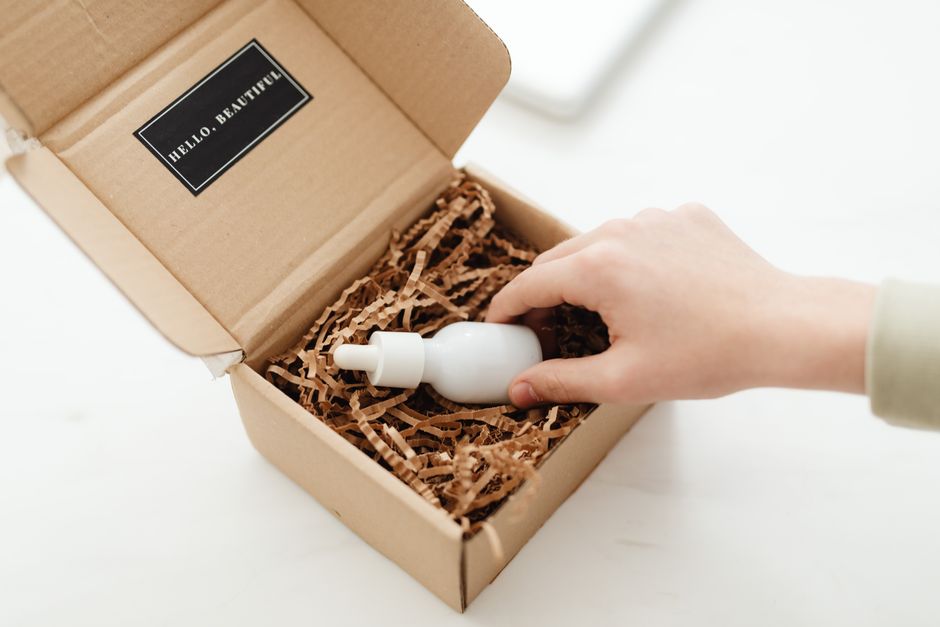
If you’ve been wondering how to request free sample on TikTok Shop, you’re not alone. The idea of getting products sent to your door without spending a penny is genuinely exciting, and I get why it appeals to the geeky side of our brains. There’s something satisfying about understanding a system, working it properly, and reaping the rewards. But here’s the thing most guides won’t tell you upfront: this isn’t a free-for-all. TikTok has built a surprisingly structured process, and if you don’t meet the criteria, you’ll spend hours tapping around the app wondering why the button everyone talks about simply isn’t there.
Table of Contents
- Who Actually Qualifies for Free Samples on TikTok Shop?
- Step-by-Step: How to Request a Free Sample on TikTok Shop
- Why Your Free Sample Request Might Be Rejected (and How to Fix It)
- The “Free and Refundable” Trap – What You Need to Know
- How to Turn Free Samples into Long-Term Sales (Not Just Freebies)
- Common Questions About TikTok Shop Free Samples (Answered)
- Final Thoughts – Is TikTok Shop Sampling Worth It for UK Creators?
I’ve watched this play out for clients at my agency, Delivered Social. Some creators crack it in a week and have samples arriving before they’ve finished their morning coffee. Others get stuck, frustrated, sending desperate DMs to sellers who never reply. The difference almost always comes down to understanding the rules before you start. This guide is built for UK creators and small business owners who want the real, battle-tested approach. No fluff, no American-centric advice that doesn’t apply here, and definitely no promises that you’ll be drowning in free stuff by Tuesday. What you will get is a clear path from eligibility to execution, including the pitfalls most people miss until it’s too late.
Who Actually Qualifies for Free Samples on TikTok Shop?
Before you even think about requesting samples, you need to know whether TikTok’s system considers you eligible. This is the stage where most enthusiasm dies, so let’s tackle it head-on.
The single most important rule, buried in TikTok’s official seller documentation, is the 120-day sales requirement. You must have generated at least one sale through TikTok Shop within the last 120 days to access the sample request feature. Not a hypothetical sale. Not a sale you made on Instagram that you’re really proud of. An actual, tracked TikTok Shop transaction. If your last sale was five months ago, the button disappears. I’ve seen this catch out creators who took a short break from affiliate content and came back to find themselves locked out. The fix is simple but annoying: you need to make another sale first, even if it’s a low-cost item you promote to friends or family, just to reactivate your eligibility.

Then there’s the follower count question. Some creators, including the helpful @ellesordelacruz, have reported that you need at least 5,000 followers or a history of TikTok Shop sales. In practice, TikTok’s algorithm prioritises proven sellers over pure audience size. I’ve personally seen accounts with 2,000 followers and a strong conversion history get approved for samples faster than accounts with 10,000 followers and zero sales. Sales talk louder than vanity metrics, every single time.
The UK market adds another layer of complexity. We have fewer sellers running sample campaigns compared to the US, which means eligibility can feel stricter here. Don’t assume that advice from American creators applies directly to your account. UK-based sellers are often more cautious with sample budgets, partly because international shipping costs eat into their margins. Focus your efforts on sellers who are already operating in the UK, and you’ll face far fewer rejections.
One nuance that almost every guide ignores is the distinction between free and refundable samples. TikTok’s official help materials use the phrase “Free and Refundable” in their titles, but these are two completely different things. Free samples cost you nothing upfront. You receive the product, create your content, and keep the item. Refundable samples require you to pay a deposit, often the full retail price, which is returned after you fulfil your content obligation. If you’re managing tight cash flow, that distinction matters enormously. I’ll dig deeper into this later, but for now, know that not every “free sample” is actually free at the point of request.
Step-by-Step: How to Request a Free Sample on TikTok Shop
Step 1 – Check Your Seller Eligibility Status
Start by opening the TikTok Shop Seller Centre. This is not the regular TikTok app you use for scrolling. If you’ve never accessed it before, you’ll need to log in with the same account you use for TikTok Shop affiliate activity. Once inside, look for the Product Marketplace tab. If you can’t see it, that’s your first red flag. The tab only appears for accounts that meet the 120-day sales requirement I mentioned earlier. No tab means no eligibility, and no amount of refreshing will change that.
If the tab is missing, your immediate priority is making a few low-cost sales. Pick products you genuinely like from the marketplace, create short, honest videos about them, and share the shopping links. Even a handful of conversions can trigger the system to recognise you as an active seller. I’ve recommended this approach to several creators who were stuck, and it works reliably within a week or two.
Step 2 – Find the “Request Sample” Button
Once you’re inside the Product Marketplace, browse through the available products. You’re looking for items that display a “Free Sample” or “Request Sample” badge. Not every product will have this option. Sellers choose whether to run sample campaigns, and many don’t bother, especially for higher-value items.
Tap on a product that interests you and look for the request button. Sometimes it’s clearly labelled. Other times it’s hidden under a “More Options” menu or disguised as “Contact Seller.” TikTok’s interface isn’t exactly famous for consistency, so be prepared to hunt around a little. If you genuinely can’t find the button after a thorough search, the seller probably isn’t running a sample campaign for that product. Move on to the next one rather than wasting time.

Step 3 – Submit Your Request (and What to Write)
When you click to request a sample, you’ll usually see a field where you can add a note to the seller. This is where most creators mess up spectacularly. I’ve seen the messages sellers receive, and they’re often some variation of “pls send free stuff love ur products.” That approach gets ignored or rejected almost every time.
Sellers are running a business. They want to know what return they’ll get on their investment. Your note should be short, professional, and focused on results. Here’s a template that works:
“Hi, I’m a UK-based creator with [X] followers and a strong history of converting TikTok Shop sales. I’d love to review your [product name] in a short video and a LIVE. Happy to share my sales stats if needed.”
That’s it. No flattery, no begging, no paragraphs about how much you love their brand story. Just clear, relevant information that helps them make a decision. If you have impressive conversion stats, mention them. If you’ve successfully promoted similar products, say so. Sellers respond to evidence, not enthusiasm.
Step 4 – Track Your Request and Fulfil the Content Obligation
After submitting your request, head to the Manage Samples page to monitor its status. You’ll see whether it’s pending, approved, or rejected. If approved, pay close attention to the campaign deadline. TikTok’s Free Sample Campaign terms require you to post a short video or go LIVE promoting the product by a specific date. Missing that deadline isn’t just a minor slip-up. It can get you banned from future sample campaigns entirely.
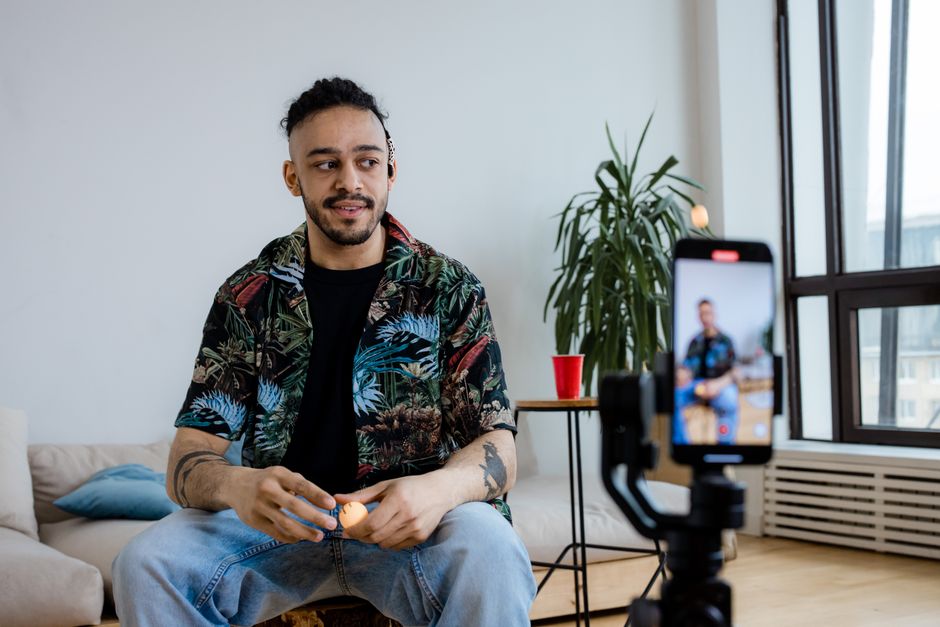
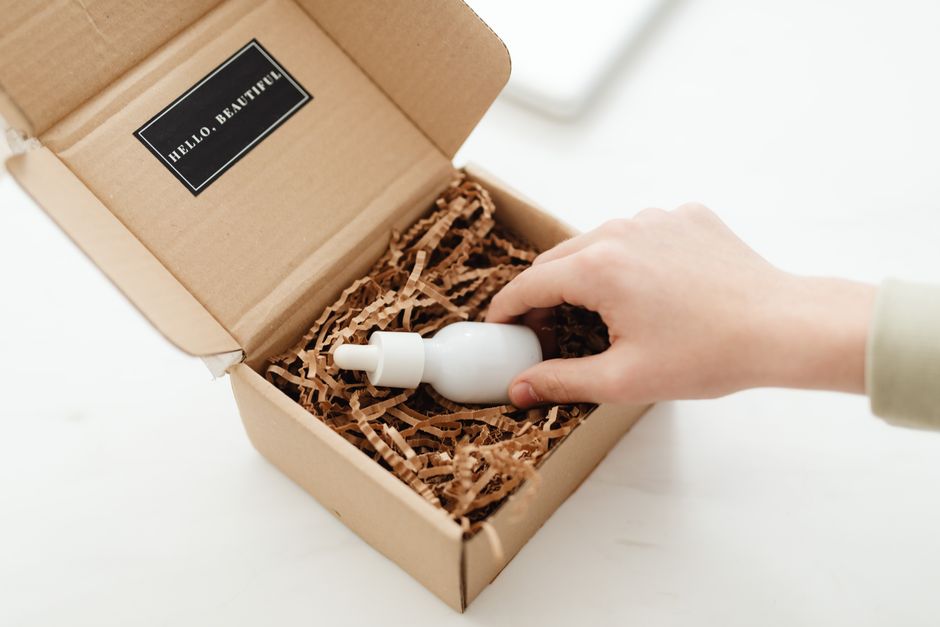
My advice: film the unboxing and first impressions the moment the package arrives. Don’t wait until the day before the deadline and then panic because your lighting setup isn’t working. Treat the content obligation like a professional commitment, because that’s exactly what it is. The creators who take this seriously are the ones who build long-term relationships with sellers and get offered samples without even asking.
Why Your Free Sample Request Might Be Rejected (and How to Fix It)
Rejection stings, especially when you’ve put effort into a request. Understanding why it happens makes it easier to fix and move forward.
The number one reason for rejection is no recent sales. If you haven’t sold anything through TikTok Shop in the last 120 days, you’re invisible to the system regardless of how charming your request note is. Fix this first before trying again.
Low engagement rate is another silent killer. Sellers can see your video-to-sales conversion data, and they care about it far more than your follower count. A creator with 3,000 followers and a 15% engagement rate looks more attractive than someone with 20,000 followers and a 2% rate. If your engagement has dipped, spend a few weeks rebuilding it with consistent, quality content before requesting samples.
Poor DM etiquette is surprisingly common. Sellers receive dozens of generic, poorly written requests every day. A personalised, business-like note dramatically increases your approval odds. Use the template I shared earlier as your starting point.
For UK creators specifically, shipping costs can be a dealbreaker. International postage eats into a seller’s sample budget, and some simply won’t absorb that cost for an unproven creator. Focus on UK-based sellers first. Once you’ve built a track record, international sellers will be more willing to take a chance on you.
I once had a client who was rejected seven times before we discovered their account was set to “personal” rather than “creator.” It was a tiny setting buried in their profile options, but it was enough to block them from sample campaigns entirely. Double-check your account type before you assume the system is broken.
The “Free and Refundable” Trap – What You Need to Know
TikTok’s official guide uses the phrase “Free and Refundable” in its title, and that single word pairing has caused more confusion than almost anything else in the Shop ecosystem. These are two separate categories, and treating them as interchangeable can cost you money.
Free samples are exactly what they sound like. No upfront cost, no deposit, no financial risk. You receive the product, post your content by the deadline, and keep the item. These are the golden tickets, and they’re rarer than most creators expect.
Refundable samples work differently. You pay a deposit upfront, often the full retail price of the product. After you post the required video or LIVE, the seller refunds your money. If you fail to post, you lose the deposit. For UK creators navigating the ongoing cost-of-living squeeze, tying up cash in refundable samples can strain your finances. Only request refundable samples if you’re absolutely certain you can deliver the content on time.
My take: treat refundable samples like a paid advertising investment. You’re putting money down to create content that should generate sales and build your credibility. If the product genuinely fits your audience and you have a solid content plan, the risk is often worth it. If you’re unsure, stick to free samples until you’ve built confidence in your ability to convert.
How to Turn Free Samples into Long-Term Sales (Not Just Freebies)
Here’s where the real opportunity lives. Too many creators treat free samples as a quick win, a free product, a bit of fun. The smart ones see samples as the first step in building a sustainable affiliate income stream.
The content obligation TikTok imposes isn’t a chore. It’s your showcase. Don’t just film a flat unboxing video where you hold the product up and say “this is nice.” Create a narrative. Show the product solving a specific problem. Demonstrate it in a real-life scenario that resonates with your audience. The creators who earn consistent income from TikTok Shop are storytellers, not product display stands.
Tag the seller and include the shopping link. This sounds painfully obvious, but I’ve seen countless videos where creators forget to add the link, rendering the entire effort pointless. Without that link, nobody can buy, and the seller sees zero return on their sample investment.
After you’ve posted, send the seller a quick DM thanking them and sharing your initial sales stats if you have them. Sellers remember creators who perform. Many will send you additional samples without you even asking, simply because you’ve proven you can move product.
Once you’ve built a track record, start thinking bigger. Free samples are the foot in the door. Paid partnerships, ongoing affiliate deals, and exclusive product launches are the destination. If you’re struggling to turn samples into consistent sales, my team at Delivered Social runs social media management and SEO services that help creators build that pipeline. It’s what we do every day, and I’ve seen the transformation firsthand.
Common Questions About TikTok Shop Free Samples (Answered)
Do I have to pay for shipping? Usually, yes. The product itself is free, but postage costs often fall to the creator. Check the specific terms before you request, because some sellers do cover shipping for UK-based creators.
Can I keep the sample? With free samples, absolutely. With refundable samples, you keep the product after your deposit is refunded. Either way, you’re not expected to return anything.
What if I don’t post the video? You risk being banned from future sample campaigns, and on refundable samples, you’ll lose your deposit. TikTok takes content obligations seriously.
Is this taxable income? HMRC considers free products received for promotional purposes as a benefit-in-kind. If you’re building a serious creator business, keep detailed records and speak to an accountant. I’m not a tax advisor, but I’ve seen creators get caught out by assuming free samples don’t count.
How is this different from Amazon Vine? Amazon Vine is invite-only and focused on written reviews. TikTok Shop samples are performance-based and tied to video or LIVE content creation. Two very different games with different expectations.
Final Thoughts – Is TikTok Shop Sampling Worth It for UK Creators?
Yes, but only if you treat it like a business. Free samples are not a hack or a loophole. They’re a marketing tool, and like any tool, they work best when used with intention and skill.
Start small. Request one or two samples from UK-based sellers, nail the content, and build a track record you can point to. Don’t spam every seller in the marketplace with copy-paste requests. That approach fails almost every time, and it burns bridges you might need later.
I’ve seen creators turn a single free sample into a recurring monthly partnership worth thousands. The system works, genuinely, but it rewards professionalism and punishes entitlement. If you’re willing to put in the effort, the opportunity is real. If you want help building a TikTok Shop strategy that actually converts, check out the Delivered Social Podcast or drop me a message. I’m always happy to chat geeky business stuff with people who are serious about making it work.