




Thinking about becoming a marketing consultant? I get it. The title sounds good, the salary data looks better, and the idea of swanning into a boardroom, dropping a few strategic gems, and billing a fat day rate is undeniably appealing. I've seen the job boards too: over 3,000 roles listed across the UK on LinkedIn, with London salaries stretching up to a hundred grand. It's a seductive picture. But before you hand in your notice or invest in a new LinkedIn headshot, let's have an honest chat. I've been running a digital marketing agency for years, and I've seen the gap between the glossy brochure and the daily grind. This article is the conversation I wish someone had with me before I started.
Table of Contents
- The Reality Check: What a Marketing Consultant Actually Does (vs. What You Think)
- The Money Question: Is the Salary Worth the Headache?
- The Career Path: Do You Need a Degree or a Certification?
- The Niche Question: Generalist vs. Specialist (and Why I'm Biased)
- The Day-to-Day Reality (A Typical Tuesday in 2026)
- So, Should You Do It? A Final, Honest Verdict
The Reality Check: What a Marketing Consultant Actually Does (vs. What You Think)
The popular image of a marketing consultant involves a lot of nodding wisely while pointing at a whiteboard. You're the external guru, the strategic advisor brought in to see the big picture that the internal team missed. That happens, sure. But it's about 5% of the job. The other 95% is far less glamorous and involves a surprising amount of digital plumbing.
You will spend hours fixing broken tracking codes in Google Tag Manager. You will find yourself manually cleaning up a client's spreadsheet of email contacts because their CRM is a mess. You will explain, for the fifteenth time, why a blog post written three weeks ago isn't yet ranking number one on Google. The job is less "strategic visionary" and more "professional problem-solver and educator." You are an outsider, which means you have zero political capital inside the client's business. An in-house marketing manager can lean on hierarchy to get things done. You have to sell your ideas every single day, not just during the initial pitch. Every recommendation is optional, and your success depends entirely on your ability to persuade people who are often resistant to change.

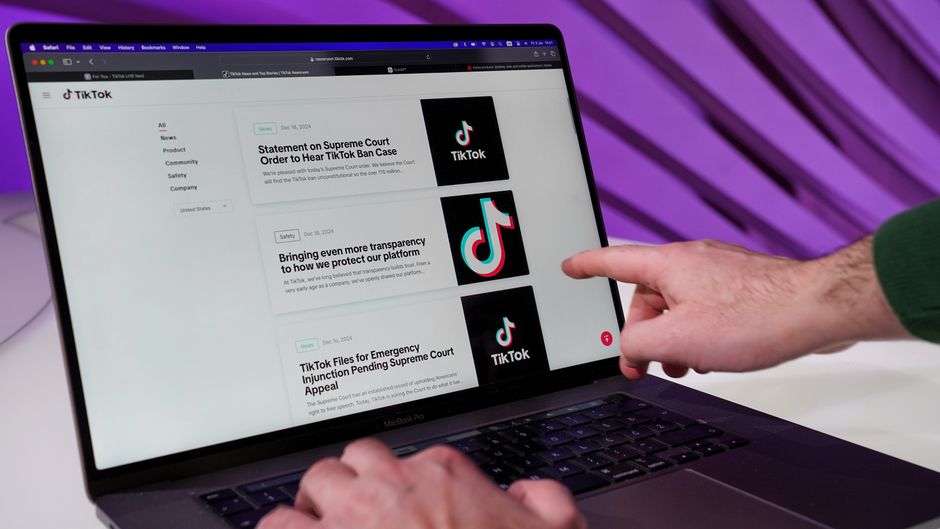
Then there's the "jack of all trades" trap. Clients will assume you know everything: SEO, PPC, social media algorithms, email automation, copywriting, and why their TikTok video only got 12 views. The most successful consultants I know niche down early and hard. I learned this lesson the hard way running Delivered Social. Trying to be a full-service marketing consultant for everyone spreads you thinner than cheap margarine and is a fast track to burnout. And nobody, absolutely nobody, warns you about the admin. Invoicing, chasing late payments, managing your own tax returns with HMRC, and writing endless proposals will consume at least 30% of your working week. When you're staring at that average Glassdoor salary of £47,613, remember a hefty chunk of your time is spent on unpaid business operations.
The Skills That Actually Pay the Bills (LinkedIn's List is Only Half Right)
LinkedIn's 2024 global executive survey listed the most in-demand marketing skills: adaptability, communication, customer service, and so on. It's a decent list, but it's a bit like saying a pilot needs to know how to fly a plane. Technically true, but missing the point. Adaptability is king, I agree, but I'd place resilience right next to it on the throne. You will lose pitches. You will have clients ghost you after you've done a month of speculative work. You need the ability to feel the sting of rejection and then bounce back by 9am the next day, ready for the next call.
Communication isn't just about talking clearly. It's about translation. You have to take complex analytics data and weave it into a story for a business owner who only wants to know one thing: "Did we make more money?" This is where a background in creative content production genuinely helps, storytelling isn't a fluffy buzzword, it's a commercial survival skill. Sales is the hidden skill nobody puts on the job spec. You are a consultant, but you are also a full-time salesperson. Every discovery call, every proposal document, every quarterly review is a sales pitch. If the thought of selling makes you queasy, independent consulting will be a painful experience. Finally, analytics literacy is non-negotiable. You cannot just be a "creative ideas person." You need to set up tracking, read dashboards, and spot data anomalies. I've seen too many consultants rely on gut feel and lose all credibility the moment a client asks for hard numbers.
The Money Question: Is the Salary Worth the Headache?
Let's talk about the cash, because that's what draws most people in. The average base salary for a marketing consultant in the UK sits at £47,613 per year, with lead consultants earning around £69,966. Those numbers are for employed roles, where you get a pension contribution, paid holiday, and sick leave. If you go freelance, you need to charge roughly two to three times that headline figure just to match the equivalent standard of living. You're covering your own overheads, software, insurance, and the unpaid days you spend on business development.

The London figures are even more extreme. SimplyHired shows 825 jobs in the capital with a salary range from £24,420 to £100,000. That top figure looks glorious until you factor in the cost of living that eats into it. In 2026, remote work is still a powerful leveller. You can absolutely charge London rates while living somewhere with a saner cost of living, but you're competing with a national pool of talent doing the same thing.
The financial reality that career guides gloss over is the feast-or-famine cycle. You will have months where you're turning down work and feeling invincible, followed by months where you're quietly panicking about your mortgage. The only way to smooth this out is to build a retainer base. This is why the fractional CMO model has become so popular, and it's why I structured Delivered Social around ongoing SEO services and social media management rather than one-off projects. Predictable income is worth its weight in gold. Before you even start, budget for the hidden costs. Professional indemnity insurance, software subscriptions like Ahrefs, Semrush, and Canva Pro, CIM membership fees, and your own continuous professional development will easily set you back £3,000 to £5,000 a year before you've earned a single penny.
The Career Path: Do You Need a Degree or a Certification?
The short answer is no, you don't need a marketing degree. I've hired brilliant people with backgrounds in history, philosophy, and even marine biology. What you need, and what clients will pay for, is demonstrable results. A degree might help you get your foot in the door for an entry-level role, but by year three of your career, nobody cares where you went to university. They care about what you've achieved.
The CIM Chartered Marketer status is a nice badge and signals credibility to traditional B2B clients like law firms and accountancy practices. It's largely ignored by startups and fast-moving ecommerce brands who value speed and proof over professional accreditation. The best training route, in my opinion, is learning by doing. Build your own project. Start a blog, perhaps something like my network of sites including Singles Warehouse or Business Pressed. Run a small ad campaign for a friend's business. Document the results meticulously. That portfolio of real-world work is worth more than any framed certificate.
There are specific certifications that do carry weight. A solid understanding of Google Analytics 4 is essential. HubSpot Academy courses are well-regarded. And in 2026, AI literacy has become a baseline expectation. You need to know how to prompt AI tools effectively and, more importantly, how to audit their output so you don't publish something embarrassingly wrong.
The Niche Question: Generalist vs. Specialist (and Why I’m Biased)
It's incredibly tempting to position yourself as a full-service marketing consultant. The logic seems sound: cast a wide net, catch more fish. You will get more initial enquiries, but you'll be competing almost entirely on price, and you'll be up against every other generalist in the country. Specialists command higher rates because they solve a specific, painful problem with deep expertise.
The specialist sweet spots in 2026 are clear. SEO consultants who focus on a single vertical are thriving. Social media consultants, especially those specialising in LinkedIn for B2B, are in high demand. The fractional CMO model for professional services firms, similar to how Helen Cox operates, is a brilliant niche. AI marketing automation consultants are also carving out a lucrative space.
I run a digital marketing agency, and I see the difference between a generalist and a specialist play out every single week. The specialists who focus on one channel, say SEO for law firms, close deals faster and charge about 40% more. It feels counterintuitive, but narrowing your focus widens your bank account. When choosing your niche, look at your own experience first. Have you worked in a specific industry? Combine that with a genuine interest. My own passions for things like Star Trek and business books might seem unrelated, but they inform how I think and the kind of people I enjoy working with. Don't pick a niche just because it's trendy; pick one where you have a genuine edge.
The Day-to-Day Reality (A Typical Tuesday in 2026)
No two days are the same, which is both the joy and the curse of this career. But a typical Tuesday for me in 2026 looks something like this. The morning, from 8am to 10am, is for deep work. I'm analysing client data, writing a strategy document, or perhaps recording an episode for the Delivered Social Podcast. I try to protect this time fiercely and avoid meetings before 10am if I can possibly help it.
Late morning, from 10am to 1pm, is client call territory. This is where you solve problems, manage expectations, and occasionally deliver bad news, like explaining that a new SEO strategy won't show meaningful results for at least six months. You need to be empathetic but firm, a trusted partner rather than a yes-person. I take a proper lunch break. I'm a big believer in stepping away from the screen entirely. Sometimes I'll read a chapter of a business book, sometimes I'll just stare out the window and let my brain defragment.
The afternoon, from 2pm to 5pm, is for output. This means writing proposals, creating content, or running a training workshop for a client's team. This is where the knowledge of website development and creative content production gets applied practically. The late afternoon, from 5pm to 6pm, is the admin slot. Invoicing, catching up on emails, and planning the next day. If I'm feeling particularly geeky, I might tinker with a new AI tool or test a fresh SEO hypothesis. The constant thread through all of this is ambiguity. You need to be comfortable not knowing what next week will look like and committed to constant learning.
So, Should You Do It? A Final, Honest Verdict
You should do this if you are fiercely self-motivated, comfortable with financial uncertainty, and genuinely love the process of learning. You need to be able to handle rejection without taking it personally and, crucially, you need to be a decent salesperson. If you can't sell your own expertise, you won't have a business.
Don't do this if you crave a predictable 9-to-5, a guaranteed pay cheque landing in your account on the 28th of each month, or a clear separation between your work and your life. You also shouldn't do it if you hate talking to people. Consulting is, at its core, a relationship business. I've been an entrepreneur for years, running Delivered Social and writing across my blog network. I wouldn't trade the freedom and the variety for anything. But I also wouldn't pretend it's an easy ride. If you're still reading this and you feel a pull towards it, then start small. Pick a niche, build a portfolio of real results, and take the leap. Just don't say I didn't warn you about the admin.