Content
- More Than a Show: The Enduring Appeal of the Final Frontier
- The Fandom: A Community of Explorers and Why Ultimately We Still Love Star Trek
- The Message of Hope: Why It Matters Now More Than Ever
- Divisive Moments: The Wrath of the Fandom (and Why That’s Okay)
- Where to Start Your Own Journey (A Personal Viewing Guide)
- Boldly Going Forward: The Future of the Franchise
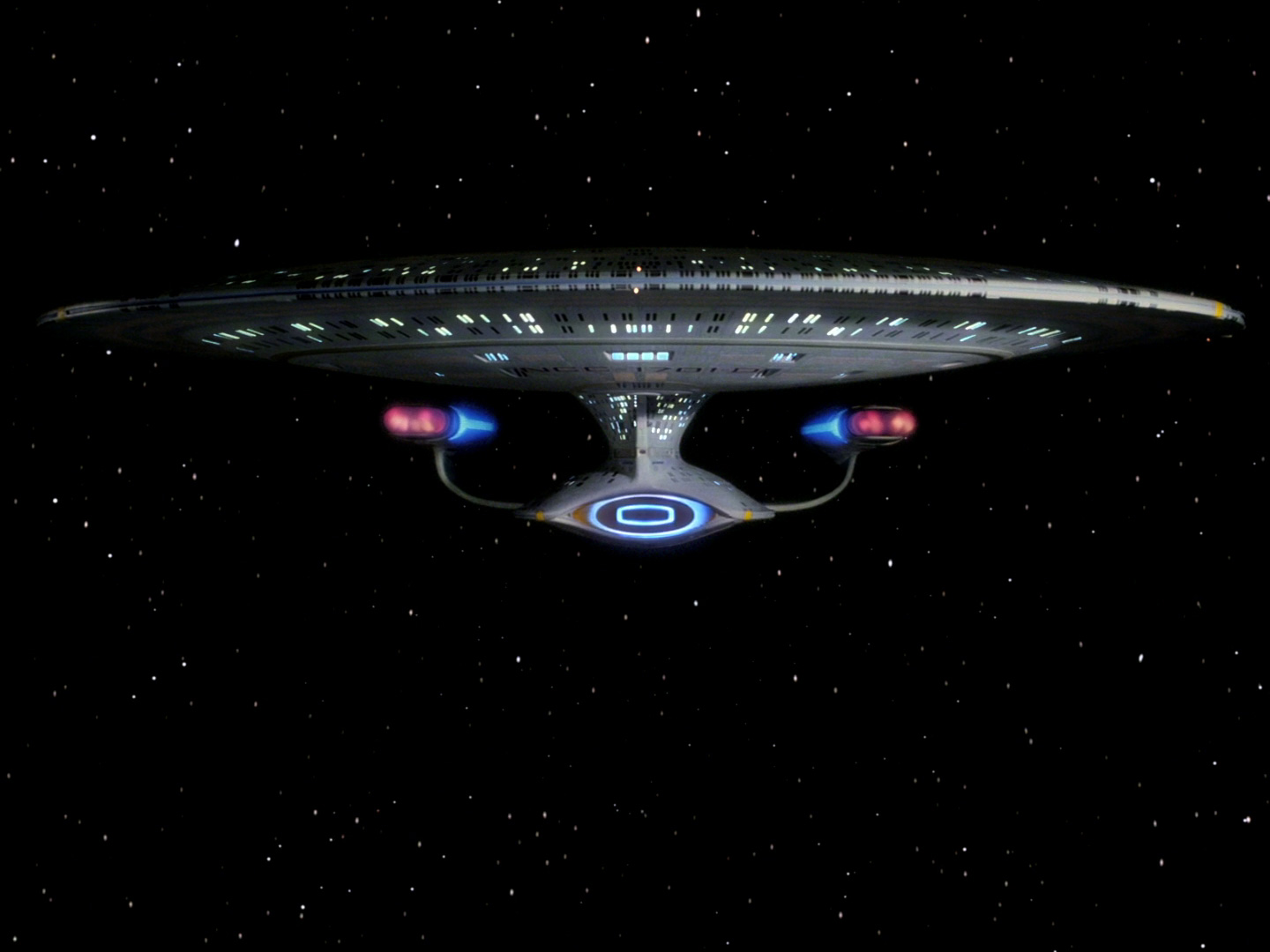
I was about eight years old when I first saw the USS Enterprise-D glide across my uncles boxy living room telly in Oman. It was a Saturday afternoon, the curtains were drawn against the sun, and I had a VHS tape of Encounter at Farpoint ready to go (technically I had sunstroke so I wasn’t going anywhere). I didn’t understand half of what Q was banging on about, but I knew one thing immediately: that ship, that crew, that vision of tomorrow had me hooked. Star Trek isn’t just a sci-fi show you watch and forget. It’s a cultural anchor, a philosophical playground, and for millions of us, a strangely personal companion. It’s been on our screens in one form or another since 1966, and in 2026, it’s still sparking joy, debate, and the occasional heated argument about warp-core mechanics. So why, nearly six decades later, are we still so utterly captivated? Let’s talk about hope, fandom, and yes, even the divisive bits.
More Than a Show: The Enduring Appeal of the Final Frontier
Star Trek is a philosophy first and a franchise second. That’s the secret. While most telly was giving us cowboys and crime dramas, Gene Roddenberry pitched a future where humanity had sorted itself out. Poverty, war, disease: all relics of a less enlightened past. What remained was the drive to explore, to understand, and to become better versions of ourselves. It’s a staggeringly optimistic bet on human nature, and it lands differently from almost anything else on screen.
In an era where dystopian stories dominate the cultural conversation, that optimism feels borderline radical. It’s a warm, reassuring counterpoint. The Federation isn’t perfect, but it’s trying. That sense of possibility is addictive. It tells you the future isn’t something to fear; it’s something you can build. For anyone running a business, launching a project, or just trying to navigate a tricky world, that’s a powerful idea. The famous mission statement, “to boldly go where no one has gone before,” isn’t just about starships. It’s a metaphor for ambition, curiosity, and the entrepreneurial itch to create something that didn’t exist yesterday.
Then there are the characters. They’re aspirational without being untouchable. Kirk’s swagger, Picard’s measured intellect, Janeway’s steely resolve: they’re all different flavours of leadership. They make mistakes, they wrestle with impossible choices, and they show us that command isn’t about having all the answers. It’s about asking the right questions and surrounding yourself with people who’ll challenge you. That’s a management masterclass wrapped in a sci-fi wrapper.
The Fandom: A Community of Explorers and Why Ultimately We Still Love Star Trek
A Shared Language of Hope
Trekkies don’t just share a love of starships and rubber foreheads. We share a common belief that tomorrow can be better than today. That’s the glue. It’s a tribal bond built on philosophy, not just trivia. You can spot a fellow fan not because they can recite the Starfleet charter, but because they light up when you talk about a future where diplomacy wins and science leads the way.
This community is vast and wonderfully welcoming. From the sprawling halls of conventions to the endlessly entertaining corners of the r/startrek subreddit, there’s a space for every level of obsession. It’s where you’ll find heated debates about the Prime Directive alongside genuinely moving stories of friendship forged over a shared love of Deep Space Nine. The creative output is staggering too: cosplay, fan fiction, art, even Klingon opera. The point is, this isn’t a passive fandom. It’s a living, breathing culture that actively invites you in, whether your first captain was Kirk or Pike.
How the Franchise Keeps Us Engaged
The franchise has a knack for balancing the familiar with the fresh. It knows we want to see the Enterprise, hear the transporter hum, and wrestle with the ethical knots of the Prime Directive. But it also knows we need new characters, new ships, and new dilemmas to stay invested. That balancing act is incredibly difficult, and when it works, it’s magic.
The sheer variety of formats helps enormously. You want classic, episodic morality plays? Strange New Worlds has you covered. Fancy something darker and more serialised? Picard went there. Need a laugh? Lower Decks is a love letter to the franchise that’s also properly funny. There are the blockbuster films, the novels, the comics: a version of Star Trek for every possible mood. The official channels keep the hype train rolling too. A quick visit to startrek.com reveals behind-the-scenes costume deep-dives, interviews with legends like George Takei reflecting on Sulu’s legacy, and the kind of merchandise news that makes my wallet nervous. Yes, I’m looking at the official LEGO U.S.S. Enterprise-D. That constant, gentle drip of content keeps the universe feeling alive between episodes.
The Message of Hope: Why It Matters Now More Than Ever
We live in a noisy, often divisive world. The news cycle is exhausting. Into that chaos, Star Trek whispers a quiet, persistent message: humanity can and will overcome its differences. It’s not naive about the struggle; it simply argues that progress is possible and worth the effort. That’s profoundly reassuring. It’s a narrative that frames the future as something we actively construct, not something that simply happens to us.
The franchise has always used its sci-fi setting as a mirror. It tackles racism, war, inequality, and identity not through preachy lectures, but through allegory. An episode about a half-black, half-white alien chasing a half-white, half-black alien told us more about the absurdity of prejudice than a thousand public service announcements ever could. It doesn’t shout its politics; it invites you into a conversation. That focus on diplomacy, on understanding before phaser fire, is the franchise’s true north. As an entrepreneur, I find that approach to problem-solving invaluable. It’s about finding the win-win, the solution that serves the mission without compromising your core values. Building a brand with that kind of long-term, principled vision is something we think about constantly over at Delivered Social. It’s not about quick wins; it’s about building something that lasts, something that stands for a better way of doing things.
That optimistic vision is a powerful differentiator. While other massive franchises lean heavily on conflict, chosen ones, and galactic warfare, Star Trek offers a light. It champions the scientist alongside the soldier, the diplomat over the destroyer. It’s a reminder that curiosity is a virtue and that the greatest adventures are often the ones where everyone comes home.
Divisive Moments: The Wrath of the Fandom (and Why That’s Okay)
The Case of Star Trek: Discovery
Let’s talk about the elephant in the room, or rather, the spore drive on the starship. Star Trek: Discovery arrived in 2017 and immediately split the fandom down the middle. It broke the traditional mould: a serialised story rather than episodic adventures, a lead character driven by intense emotion rather than stoic command, and a visual reboot that looked light-years away from the carpeted decks of the Enterprise-D. Some fans felt it had strayed too far from Roddenberry’s optimistic vision, trading philosophical depth for blockbuster action and emotional turmoil.
Personally, I loved it. I thought it was bold, ambitious, and exactly the shot of adrenaline the franchise needed to stay relevant in a world of prestige telly. It took massive risks: reimagining the Klingons, introducing a protagonist with a deeply personal journey, and building a season-long mystery. Not every swing was a home run, but it proved the franchise could still surprise us. It showed that Star Trek could be messy, emotional, and visually spectacular without losing its soul. Yep, even Discovery. The show dared to ask what the Federation looks like when it’s not at its best, and that’s a story worth telling.
This division is actually a sign of a healthy franchise. It means people care deeply, sometimes ferociously. A franchise that doesn’t spark passionate debate is a franchise on life support. The arguments over canon, tone, and character motivation are proof of a deeply invested audience. We argue because we love it, not despite it.
The Value of a Little Healthy Conflict
Divisive moments force evolution. The passionate feedback, both positive and negative, around Discovery almost certainly informed the creation of Strange New Worlds, a show that returned to an episodic structure and a more classic, hopeful tone while keeping the modern production values. It was a direct response, a creative dialogue between the fans and the creators.
That push and pull is a creative engine. It stops the franchise from ossifying into a museum piece. It’s a dynamic, living conversation about what Star Trek means and what it can be. As a business owner, I see a clear lesson in brand management here. You cannot please everyone, and frankly, you shouldn’t try. The goal is to stay fiercely true to your core values while having the courage to experiment, to try new things, and to listen to feedback without being paralysed by it. The best feedback, even the critical kind, is a gift. It tells you people are paying attention.
Where to Start Your Own Journey (A Personal Viewing Guide)
If you’re new to all this in 2026, the sheer volume of content can feel overwhelming. Forget the release order. That’s for the historians. Here’s my personal, slightly opinionated guide.
Start with The Next Generation. It’s the perfect distillation of the Star Trek ethos: thoughtful, character-driven, and packed with classic moral dilemmas that stay with you long after the credits roll. Patrick Stewart’s Picard is a masterclass in leadership. If you want something modern and fast-paced that still captures the spirit of the original series, jump straight into Strange New Worlds. It’s a brilliant, accessible entry point that feels fresh while honouring the legacy. It’s the show I’d recommend to anyone who thinks they don’t like sci-fi.
For a deeper, more complex dive, Deep Space Nine is the masterpiece. It’s darker, more serialised, and it has the audacity to ask what the cost of utopia is. It’s the thinking person’s Star Trek, and it’s home to some of the best character arcs in television history. Don’t be afraid to skip around. If a series doesn’t click, try another. This universe’s beauty is its variety. There’s a captain, a ship, and a mission out there for everyone. And if you want to debate my viewing order, you’ll find me in the comments.
Boldly Going Forward: The Future of the Franchise
The future is genuinely exciting. With Starfleet Academy premiering in January 2026, featuring the wonderfully bizarre casting of Stephen Colbert as the voice of the Digital Dean of Students, and Strange New Worlds Season 4 already in production, the franchise is in a period of creative renaissance. Starfleet Academy feels like a particularly smart move: a vehicle designed to introduce a new generation to the core ideals of the Federation through the eyes of young cadets.
The fact that we’re still getting this much new, high-quality content nearly sixty years after the first episode aired is a testament to the foundational strength of the idea. It’s not just surviving; it’s thriving. For me, the most thrilling part is the unknown. What new worlds will we see? What new moral questions will we grapple with? The journey is far from over. And as any good explorer knows, that’s the best part.
The mission continues, and I, for one, will be watching. It’s why we still love Star Trek after all.
Jonathan Bird
Head-Honcho over at DeliveredSocial.com – an award-winning digital marketing agency. You’ll often find me tucked away watching Star Trek (yep even Discovery…) or reading the latest business book (it’s my thing!).
Head-Honcho over at DeliveredSocial.com – an award-winning digital marketing agency. You’ll often find me tucked away watching Star Trek (yep even Discovery…) or reading the latest business book (it’s my thing!).