





Table of Contents
- Why I'm Writing This (and Why You Should Listen)
- Before You Do Anything: The Mindset Shift
- Step 1: Find Your Business Idea (Without Overthinking It)
- Step 2: Sort Out the Legal Stuff (Boring but Essential)
- Step 3: Build Your Online Presence (The Right Way)
- Step 4: Get Your First Customers (Without a Big Budget)
- Step 5: Manage Your Money (Without the Headache)
- Step 6: Scale (When You're Ready)
- Common Mistakes I've Made (So You Don't Have To)
- Final Thoughts: Your Move
Why I’m Writing This (and Why You Should Listen)
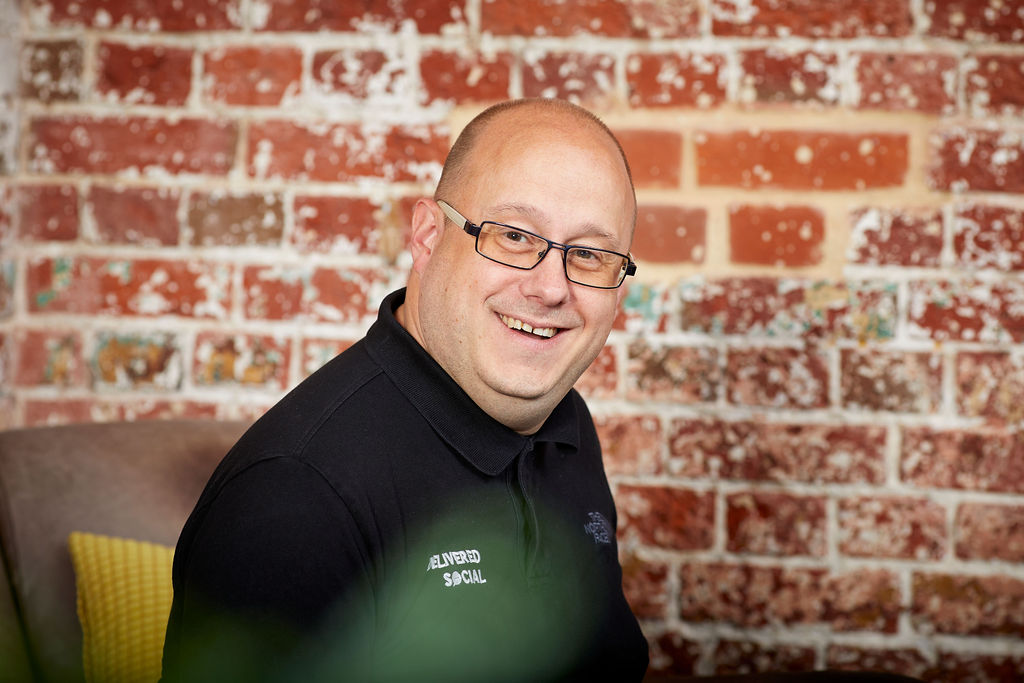
I've lost count of the number of "starting an online business" guides I've read that made me want to throw my laptop out the window. They're usually written by people who've never actually done it, or worse, by people trying to sell you a course that costs more than your first year's revenue. I'm not that guy. I'm Jonathan Bird, and I've built an award-winning digital marketing agency called Delivered Social from the ground up. I've made mistakes that cost me thousands, celebrated wins that felt like landing on the moon, and learned more from the failures than the successes. This guide isn't theory. It's the conversation I wish someone had had with me when I was staring at a blank screen wondering where to start.

The UK market in 2026 is a different beast from even two years ago. AI tools have changed what's possible for solo founders, consumer habits have shifted again, and the regulatory landscape keeps evolving. Old advice about dropping a Shopify store and waiting for sales doesn't cut it anymore. What I'm offering here is practical, opinionated, and built from real trenches experience. No fluff, no motivational quotes over sunset photos, just honest steps for getting your online business off the ground.
Before You Do Anything: The Mindset Shift
Here's something I learned the hard way: starting an online business isn't about perfection, it's about momentum. When I first started Delivered Social, I spent months tweaking the website, adjusting the logo, rewriting the service descriptions. I told myself I was being thorough. Really, I was scared. Scared of putting something imperfect out into the world. The moment I finally launched, with a site that was about seventy percent ready, things started happening. Customers appeared. Feedback arrived. The business became real.

You need to get comfortable with being uncomfortable. The first few months will feel like controlled chaos, and that's normal. Forget the overnight success stories you see on social media. Most of them are either extraordinarily lucky or carefully omitting the years of struggle that came before. Real growth comes from consistent, unglamorous effort. Show up, do the work, repeat.
And here's the thing about your opinion: it matters more than you think. You don't need permission from some gatekeeper to start. If you've got an idea that keeps you awake at night, test it. The market will tell you pretty quickly whether it's worth pursuing. Just don't wait until you feel ready, because that feeling never arrives.
Step 1: Find Your Business Idea (Without Overthinking It)
Service-Based vs Product-Based vs Digital
The online business world splits roughly into three camps, and knowing which one suits you will save months of wasted effort. Service-based businesses, things like freelance writing, virtual assistance, or social media management, have the lowest barrier to entry. You can often start for under a hundred quid. That's how I began with Delivered Social, offering social media services from a spare room with nothing but a laptop and a willingness to learn. No stock, no shipping, just skills and time.
Product-based businesses, whether that's e-commerce, handmade crafts, or dropshipping, need more upfront investment but offer genuine scalability. The most popular UK online retail categories right now include fashion and clothing at twenty-eight percent, toys, hobbies, and crafts at twenty-one percent, and electronics at twenty percent. Those numbers tell you where the demand is, but they also tell you where the competition is fiercest.
Digital products sit in a sweet spot. Online courses, templates, eBooks, these have high margins and no inventory headaches. Think about what you already know that someone else would pay to learn. You'd be surprised how valuable your everyday knowledge is to the right audience.
The "Boring" Ideas That Actually Make Money
Everyone and their dog wants to start a clothing brand. Far fewer people dream of starting a bookkeeping service, yet the latter is dramatically more likely to succeed. The unsexy businesses are often the most profitable because nobody's fighting over them. Look at what businesses in your local area are terrible at online. That gap is your opportunity. Maybe it's their Google reviews are a mess, or their social media hasn't been updated since 2019. Those problems represent paying customers.
AI-powered services are growing fast in 2026. If you understand how to use these tools effectively, whether for consulting, content generation, or automation setup, you can charge a premium. Businesses are desperate for someone who can translate the AI hype into actual results.
How I Validate Ideas Without Wasting Money
I once spent two thousand pounds on a website for a product nobody wanted. I'd convinced myself the idea was brilliant without ever asking a potential customer what they thought. Don't be me. Talk to real people before you build anything. Describe your idea and watch their face. Polite enthusiasm isn't the same as "I'd pay for that."
Use free tools like Google Trends to see if interest is growing or shrinking. Run social media polls in relevant groups. The most effective validation method I've found is brutally simple: create a basic landing page with a "buy now" or "sign up" button, drive a small amount of traffic to it, and see what happens. If nobody clicks, you've just saved yourself months of work and potentially thousands of pounds. That's not failure, that's efficient research.
Step 2: Sort Out the Legal Stuff (Boring but Essential)
Choosing Your Business Structure
For most people starting an online business, the choice comes down to sole trader or limited company. Sole trader is simpler, less paperwork, and perfectly fine for solo operators testing the waters. A limited company offers more protection for your personal assets but comes with filing requirements that'll have you reaching for the paracetamol. I started as a sole trader and switched to a limited company once the revenue justified the extra admin. My advice: do what works for now, not what you think you'll need in three years. Register with HMRC early though. The self-assessment deadline is immovable and unforgiving.
UK-Specific Rules You Can't Ignore
Even the tiniest online business falls under GDPR. You need a privacy policy on your website and proper cookie consent. It sounds tedious, and it is, but the fines for ignoring it are genuinely painful. Ecommerce regulations require clear pricing, a proper returns policy, and visible contact information. These aren't optional extras, they're legal requirements.
VAT registration kicks in once your turnover hits ninety thousand pounds. That might feel miles away right now, but plan for it before you hit the threshold. The transition can be a cash flow shock if you're not prepared.
Protecting Your Brand and Ideas
If you can afford it, trademark your business name and logo. I've seen too many entrepreneurs build a brand only to have it snatched away by someone with deeper pockets and sharper lawyers. Intellectual property protection isn't just for tech giants. If you're creating original content, consider copyright registration. And here's a practical tip: buy your domain name the second you settle on a business name. Domain squatting is real and infuriating. I snapped up jonathanbird.co.uk years ago, and it's been one of the smartest small investments I've made.
Step 3: Build Your Online Presence (The Right Way)
Your Website Is Your Shop Window
You don't need a five-thousand-pound custom build. Platforms like Shopify, WordPress, or Squarespace handle the heavy lifting for most businesses. What you do need is speed, mobile responsiveness, and navigation that doesn't make visitors want to scream. If your site takes more than three seconds to load, you're haemorrhaging potential customers before they've even seen what you offer.
I've built websites for dozens of clients through Delivered Social, and the most common mistake is trying to do everything at once. Every page, every feature, every possible integration, all live on day one. It's overwhelming for you and confusing for visitors. Start simple. A clear homepage, an about page that actually tells a story, and a way for people to contact you or buy from you. You can add the fancy stuff later.
SEO: The Free Traffic You're Ignoring
SEO isn't dead, despite what the clickbait headlines would have you believe. It's just harder than it used to be, which is good news if you're willing to put in the work while your competitors chase shortcuts. Write for humans first and search engines second. Google's algorithms in 2026 are sophisticated enough to reward genuine expertise and useful content. They can smell keyword stuffing from a mile away.
Local SEO is especially powerful for UK businesses. Claim your Google Business Profile, get listed in relevant local directories, and encourage happy customers to leave reviews. These signals compound over time and can deliver consistent traffic without you spending a penny on ads.
Social Media: Pick One Platform and Own It
I watch entrepreneurs burn out constantly trying to maintain five social media accounts with no strategy and less energy. Don't do it. Pick one platform where your ideal customers actually spend time and commit to it properly. For B2B, that's usually LinkedIn. For consumer products, TikTok or Instagram might be the better bet.
Consistency beats virality every single time. Post three times a week for six months, then evaluate whether it's working. Most people give up after three weeks, declare social media a waste of time, and move on. The ones who stick around are the ones who build audiences that actually buy things.
Step 4: Get Your First Customers (Without a Big Budget)
The "Start Simple, Test Early" Approach
The Money.co.uk guide on this topic got something absolutely right: don't perfect your product before you have customers. Launch a minimum viable version and improve it based on real feedback. Your first customers will teach you more in a week than six months of solitary planning ever could. Listen to what they say, even when it stings.
I launched Delivered Social with three services and a website that I'd now describe as "charmingly basic." Within a month, I had five paying clients. If I'd waited until everything felt perfect, I'd still be tweaking the colour palette and wondering why the bank account was empty.
Free and Low-Cost Marketing Tactics
Content marketing builds trust over time in a way that ads never can. Blog posts, videos, podcasts, whatever format suits you, just start creating useful stuff for your target audience. My Delivered Social Podcast began as an experiment, a way to have conversations with interesting people. Now it drives consistent leads without me having to chase them.
Email marketing still delivers the highest ROI of any channel. Build your list from day one, even if it's just ten people who've expressed interest. Those ten people are worth more than a thousand random social media followers who'll never buy anything.
Partnerships and collaborations cost nothing but can open doors you didn't know existed. Reach out to complementary businesses and propose something mutually beneficial. The worst they can say is no, and you'd be amazed how often they say yes.
Paid Advertising: When and How to Start
Don't run ads until you've validated your offer organically. Throwing money at an unproven product is a fast track to an empty bank account. Once you know people want what you're selling, start small. Five to ten pounds a day is plenty for testing different audiences and creative approaches.
Retargeting ads are where the real magic happens. Most people won't buy on their first visit to your site. Following up with them through retargeting keeps you in their consideration set without being obnoxious about it.
Step 5: Manage Your Money (Without the Headache)
Start-Up Costs: What You Actually Need
Most online businesses can launch for under five hundred pounds. A domain, hosting, basic software subscriptions, and a modest marketing budget will cover the essentials. Xero's research backs this up: virtual assistants can start for under a hundred quid, handmade crafts range from fifty to five hundred pounds, and e-commerce stores typically need five hundred to two thousand for initial stock.
Don't spend money on things you don't need yet. Those fancy software subscriptions with features you'll use "someday" can wait until you have actual revenue coming in. I've been guilty of this myself, signing up for tools that looked impressive but gathered digital dust while the monthly charges piled up.
Pricing: Don't Undervalue Yourself
UK entrepreneurs consistently undercharge. I did it for years, convinced that lower prices would attract more customers. What they actually attracted was clients who didn't value my work and complained about every invoice. Your time and expertise are worth real money. Research what competitors charge, then add twenty percent. You can always offer discounts for early adopters, but raising prices later is genuinely difficult once expectations are set.
Consider value-based pricing rather than hourly rates. A service that saves a client ten thousand pounds is worth considerably more than fifty pounds per hour. Price based on the outcome you deliver, not the time it takes you.
Tax and Accounting Basics
Set aside twenty to thirty percent of every payment for tax. HMRC will not be sympathetic if you've spent it all and can't pay your bill. Use accounting software from day one. It's cheaper than hiring an accountant to untangle a year's worth of receipts and bank statements. VAT, corporation tax, and self-assessment deadlines are non-negotiable. Put them in your calendar now, with reminders a month before and a week before. Future you will be grateful.
Step 6: Scale (When You’re Ready)
Knowing When to Grow
Premature scaling kills more businesses than almost anything else. Don't expand until you have consistent revenue and repeat customers. The signs you're ready are usually obvious: you're turning away work, you can't keep up with demand, or you're doing absolutely everything yourself and starting to crack. I waited two years before hiring my first employee at Delivered Social. That patience gave me time to understand the business deeply before adding the complexity of managing other people.
Automation and Outsourcing
Automate the repetitive stuff so you can focus on high-value work. Invoicing, email responses, social media scheduling, all of this can run in the background while you concentrate on strategy and growth. Outsource what you're bad at or what drains your energy. For me, that's bookkeeping. For you, it might be content creation or customer service.
AI tools in 2026 can handle a surprising amount of routine work. Use them for drafting, research, and automation, but don't rely on them for strategic decisions. They're assistants, not replacements for human judgement.
Building a Team Without Breaking the Bank
Start with freelancers or part-time contractors before committing to full-time employees. UK-based virtual assistants typically cost fifteen to twenty-five pounds per hour and can free up significant chunks of your week. Document your processes early, even if it feels unnecessary when you're working solo. When you're ready to hire, you'll have a playbook ready to hand over, and onboarding will be dramatically smoother.
Common Mistakes I’ve Made (So You Don’t Have To)
Trying to be everything to everyone nearly sank me more than once. Niche down. The riches are in the niches, as the saying goes, and it's true. Ignoring cash flow is another classic. Revenue looks impressive on paper, but it means nothing if you can't pay your bills next month. Watch your cash position like a hawk. I've also been guilty of overcomplicating the tech stack. You don't need fifteen tools to run a simple online business. Start with three and add more only when the pain of not having them exceeds the pain of paying for them. And the biggest mistake of all: waiting for the perfect moment. There is no perfect moment. There's only now. Start before you're ready.
Final Thoughts: Your Move
The difference between people who start online businesses and those who don't is painfully simple: action. Not more research, not another course, not waiting for the stars to align in some mythical perfect configuration. You've got the information. What you need now is the courage to take the first step, even if it's messy and uncertain and slightly terrifying.
I've been where you are, staring at a blank page, wondering if I had what it takes. I did, and so do you. The online business you're dreaming about won't build itself, but it also doesn't need to be perfect on day one. It just needs to start.
If you get stuck along the way, reach out. I'm always happy to chat with fellow entrepreneurs navigating the same challenges I've faced. And if you need a hand with the digital side of things, the team at Delivered Social and I are here to help. Now go build something.